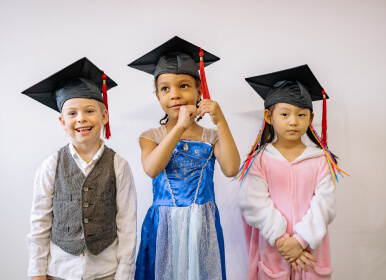
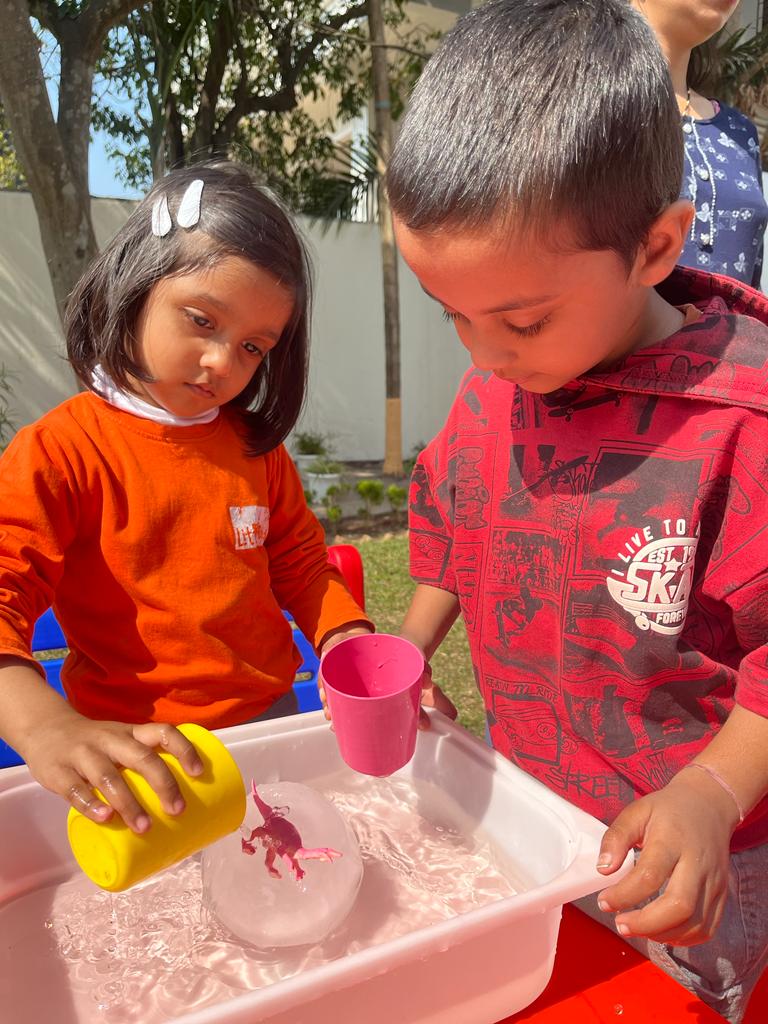
Kids aren’t just tiny sponges soaking up facts—they’re little explorers, and the world’s basically their playground
Past and Present
Kids who are learning and growing just as expected usually do a few things:
They love talking about the people around them and what everyone does—like telling you all about their neighbor’s cool job or how their grandma makes the best soup in town.
They’re pretty sharp at spotting what’s different (or surprisingly the same) between the past and now. Maybe they’ll laugh about how people used to send letters instead of texts, or wonder why anyone would use a phone with a curly cord.
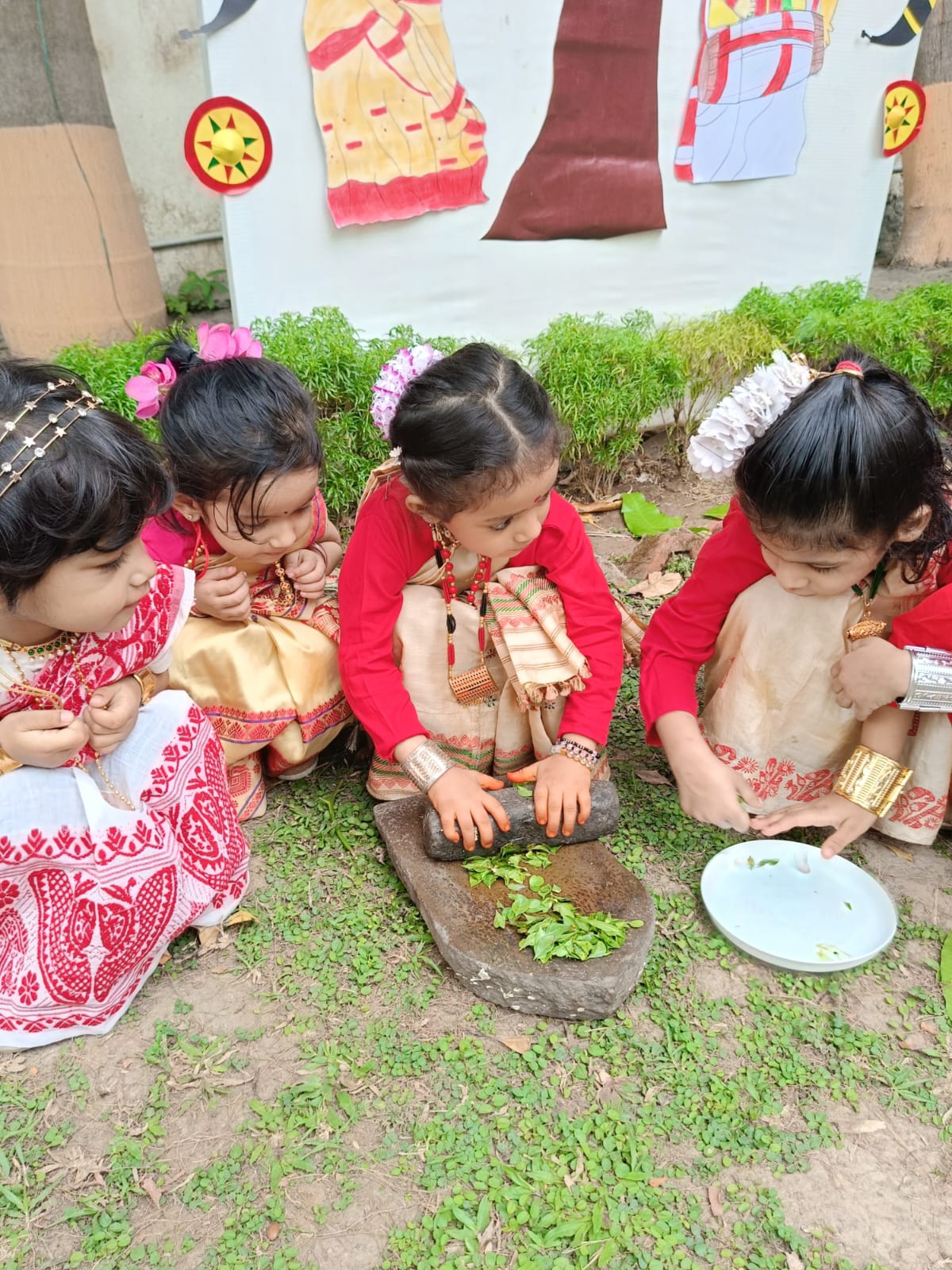
And when it comes to stories in class, they really soak up what life was like way back—picturing the places, meeting the characters, and diving into all those wild adventures from once-upon-a-time.
People, Culture and Communities
Here’s what kids on track with reading usually pull off:
Clearly articulate observations about their immediate environment, drawing from personal experiences, classroom discussions, relevant stories, informational texts, and maps.
Identify key similarities and differences among various religious and cultural communities within the country, referencing both firsthand experiences and materials explored in class.
Compare aspects of daily life in their community with those in other countries, utilizing insights from stories, factual texts, and, where suitable, maps to support their understanding.
The Natural World
Little explorers on track to ace this whole “nature” thing tend to:
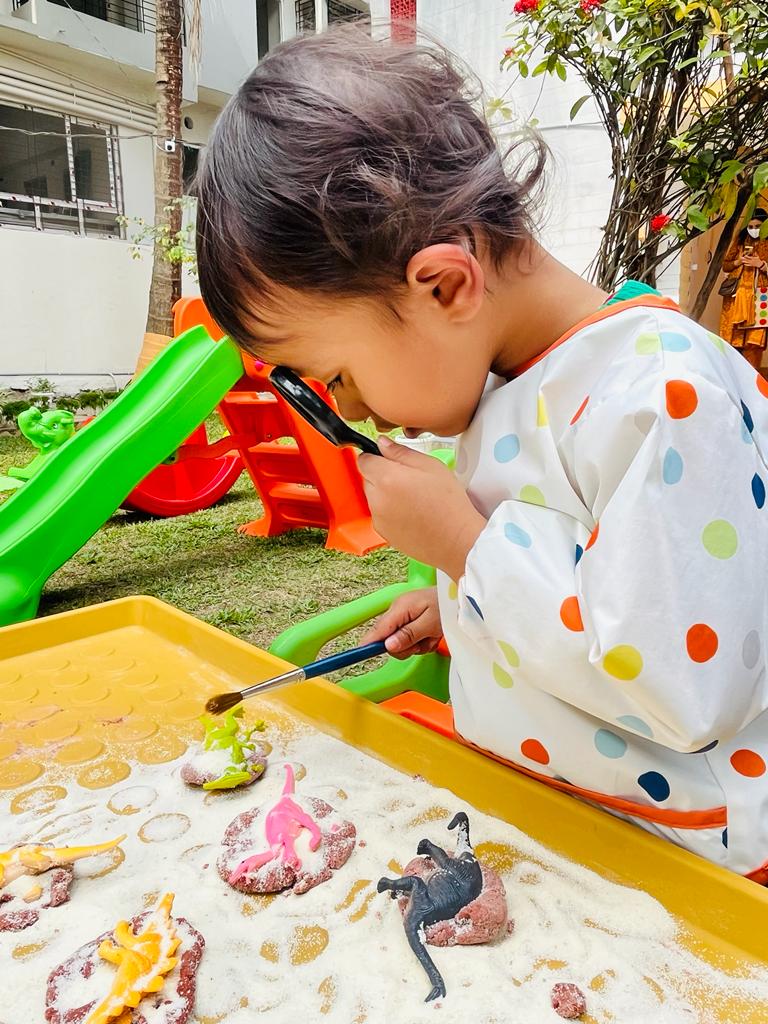
Wander around like tiny scientists, poking at bugs, picking flowers (even the ones you told them not to), and sketching whatever cool critter or plant grabs their attention.
Play detective, spotting what’s the same or totally different between their backyard jungle and, say, the local park—or even that wild rainforest they saw in a storybook.
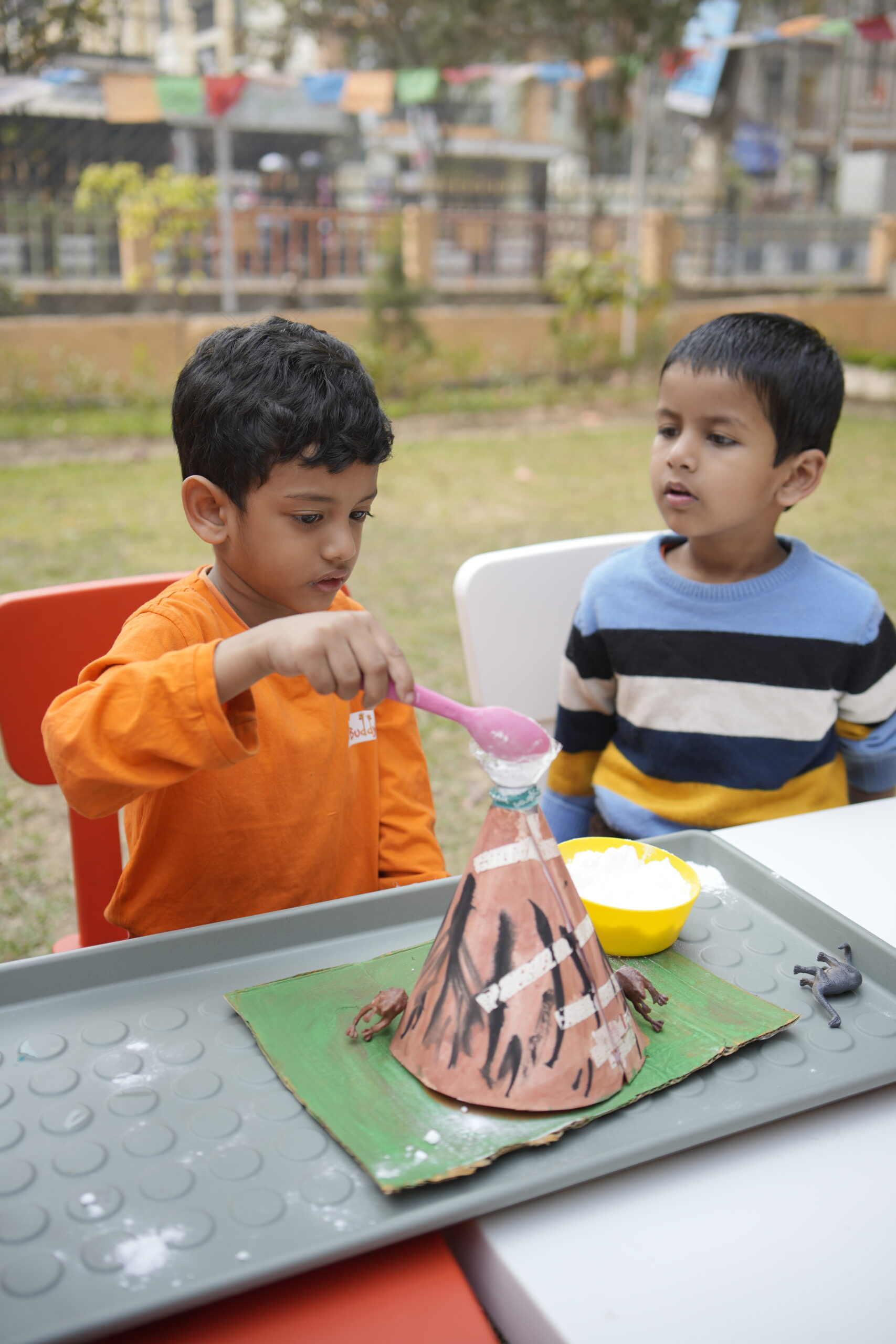
Start piecing together the big mysteries—why does the world flip from warm to freezing? How does water go all ghost-mode and vanish? Why do trees go bald in winter? Kids start connecting the dots between what they see and those wild changes the planet pulls every year.
Making Sense of the World
Hour
Activity
08:30
Gymnastics
08:50
Breakfast
09:00
Circle time
09:15
Classes
10:15
Classes
11:30
Playing outside
Hour
Activity
12:30
Dinner
13:00
Dinner nap
15:00
Snack
15:30
Classes
16:15
Classes
17:00
Playing outside
Equip them with the skills to interpret not only their immediate surroundings but also the broader community
Athletic abilities
Thinking
Communication skills
Research skills
Creative abilities
Broad mind
Cracking Open the World
Kids aren’t just tiny sponges soaking up facts—they’re little explorers, and the world’s basically their playground. Forget just memorizing capitals or the names of clouds. Take them out! Parks, museums, the local library where the carpet smells like old paperbacks and adventure. Let them meet the everyday heroes—cops, nurses, firefighters—real people with wild stories up their sleeves.
Then, drown them in stories. Fairy tales that twist your brain, non-fiction that makes them go “Wait, really?!”, rhymes that stick in your head for days, poems that sound like music. That’s how they see the world in all its messy, colourful, buzzing glory—cultures, gadgets, nature, people all crashing together.
Enroll Now
Drop your email, and we’ll shoot you all the details you need about admissions. Or just toss us your number and we’ll give you a ring to chat about our whole educational setup.
Whatever’s easiest for you!